
What Is Nature-Based Therapy for Fathers in Recovery?
Adventure, Recreation, Outdoor Counseling & Peer Mentoring:
The heart of HopeYards combines outdoor adventure (canoeing, fly-fishing, hiking, nature walks, rafting, sports, swimming, trout fishing, walk-and-talk therapy) with clinical counseling and peer mentorship, all delivered outside in trauma-informed settings.
Key facts about HopeYards
HopeYards serves fathers in recovery and their children together.
William’s House founded HopeYards in Roswell, Georgia.
Licensed therapists provide clinical care for participating families.
Trained peer mentors provide encouragement, accountability, and lived experience.
Weekly gardening sessions support mindfulness, responsibility, and family connection.
Outdoor activities include hiking, fishing, canoeing, rafting, and swimming.
Digital well-being and leisure planning encourage healthier family routines.
What does nature-based therapy mean?
Nature-based therapy at HopeYards combines professional mental health support with intentional outdoor experiences that promote emotional regulation, reflection, connection, and recovery. William’s House uses nature as an active part of the therapeutic process rather than simply a setting for recreation.
HopeYards brings together several complementary forms of support:
Traditional individual and family therapy
Outdoor and walk-and-talk counseling
Horticultural therapy
Peer-to-peer recovery support
Adventure-based therapeutic activities
Trauma-informed parenting education
Digital well-being instruction
Structured leisure and wellness planning
A recreational outing and a therapeutic intervention are not automatically the same. HopeYards activities are connected to mental health, recovery, parenting, or family-development objectives and supported by licensed therapists, trained peer mentors, and professionals with experience in horticultural and recreation therapy.
A father and child may practice communication while canoeing, patience while fishing, emotional regulation during a challenging hike, or responsibility while tending a garden. HopeYards staff help families connect these experiences to their recovery, relationships, and daily lives.
Why did William’s House create HopeYards?

William’s House created HopeYards to address the combined recovery, mental health, parenting, and family-stability needs of fathers and children affected by addiction, trauma, homelessness, and housing insecurity. HopeYards expands the William’s House Family Empowerment Program through a trauma-informed, nature-centered model.
Since its founding in 2020, William’s House has served homeless and housing-insecure fathers in recovery throughout metro Atlanta and Georgia. The 2022 North Fulton County Homelessness Needs Assessment confirmed that fathers and their children remain among the region’s most vulnerable and underserved families.
Many fathers are working to maintain sobriety while rebuilding housing, employment, finances, family relationships, and parenting routines. Their children may also be experiencing emotional distress, social isolation, disrupted relationships, or developmental challenges connected to instability and untreated trauma.
Traditional therapy remains essential, but clinical appointments alone may not address every aspect of family recovery. HopeYards extends healing into gardens, trails, rivers, and community spaces where fathers and children can practice new skills together.
How does horticultural therapy support fathers and children?
Horticultural therapy at HopeYards uses hands-on gardening to promote mindfulness, responsibility, teamwork, nurturing, and emotional regulation. William’s House offers weekly trauma-informed gardening sessions where fathers and children can build healthy routines while interacting with the natural environment.
Gardening gives participants visible and manageable responsibilities. Families may prepare soil, plant seeds, water garden beds, remove weeds, care for growing plants, or harvest food. These activities provide repeated opportunities to practice patience and consistency.
A garden can also reflect the recovery process. Growth takes time, and progress is not always immediately visible. Weather changes, plants struggle, and plans sometimes need to be adjusted. A setback does not mean future growth is impossible.
Gardening also allows fathers and children to work beside one another without the pressure of a formal face-to-face conversation. Shared tasks can create more natural opportunities for communication, cooperation, and encouragement.
HopeYards uses horticultural therapy to give families a calming and restorative alternative to isolation, digital overstimulation, and unhealthy coping habits.
What happens during outdoor counseling and wellness activities?
Outdoor counseling and wellness activities at HopeYards combine movement, reflection, clinical support, and peer connection. William’s House offers experiences such as hiking, canoeing, fly-fishing, rafting, sports, swimming, trout fishing, nature walks, and walk-and-talk therapy.
Licensed therapists provide clinical care for fathers, children, and families. Trained peer mentors add lived experience, encouragement, accountability, and hope. Together, these services create several ways for participants to engage in the healing process.
Some people find it difficult to communicate while sitting in a traditional counseling room. Movement and shared activity may help conversations feel less intimidating. A guided walk can create space for reflection. Fishing can encourage patience and focus. Canoeing can require communication and teamwork. Adventure-based activities can help participants build confidence and practice problem-solving in a supported environment.
HopeYards does not use one outdoor activity for every family. William’s House can match activities and support strategies to participants’ ages, needs, abilities, therapeutic goals, and comfort levels.
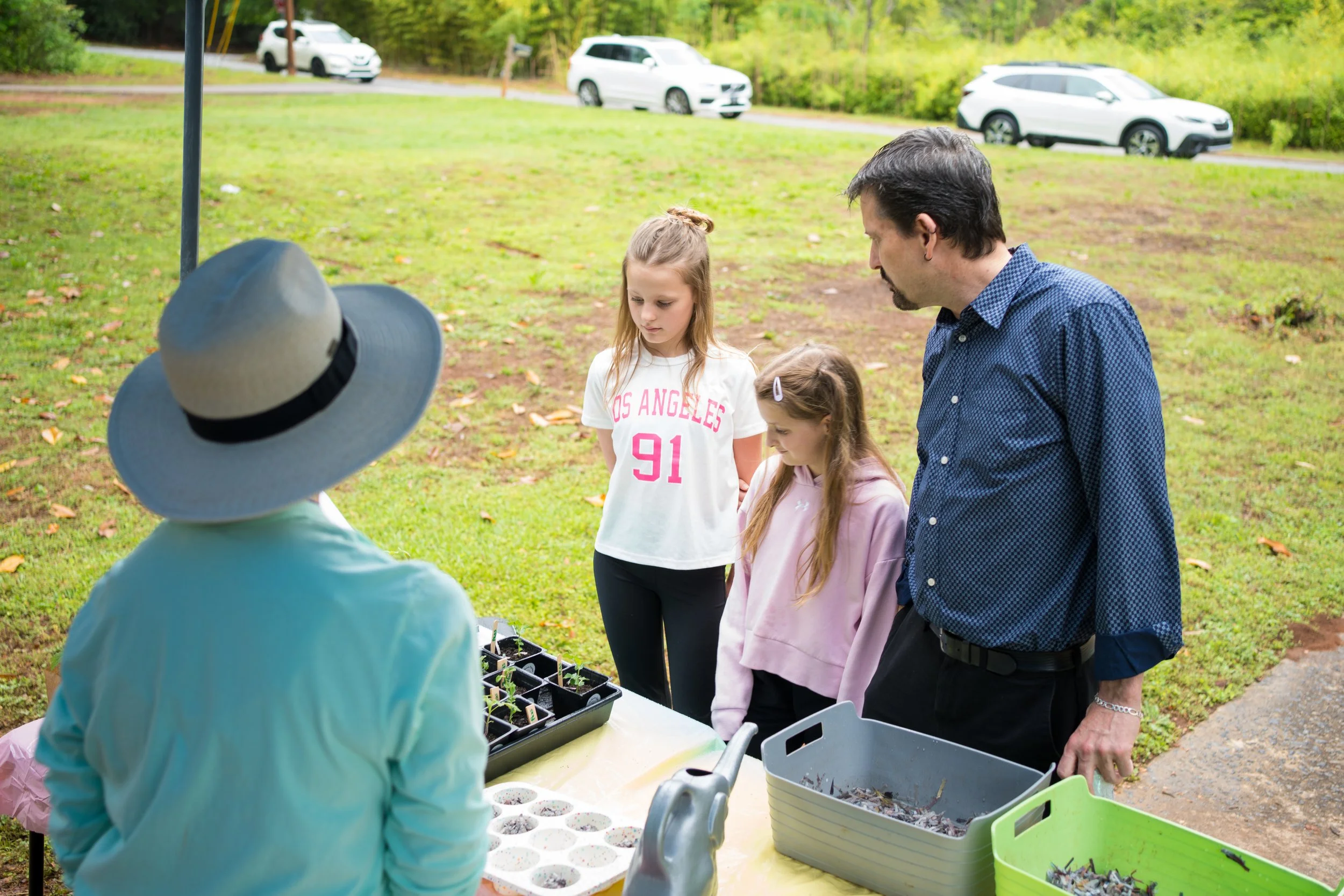
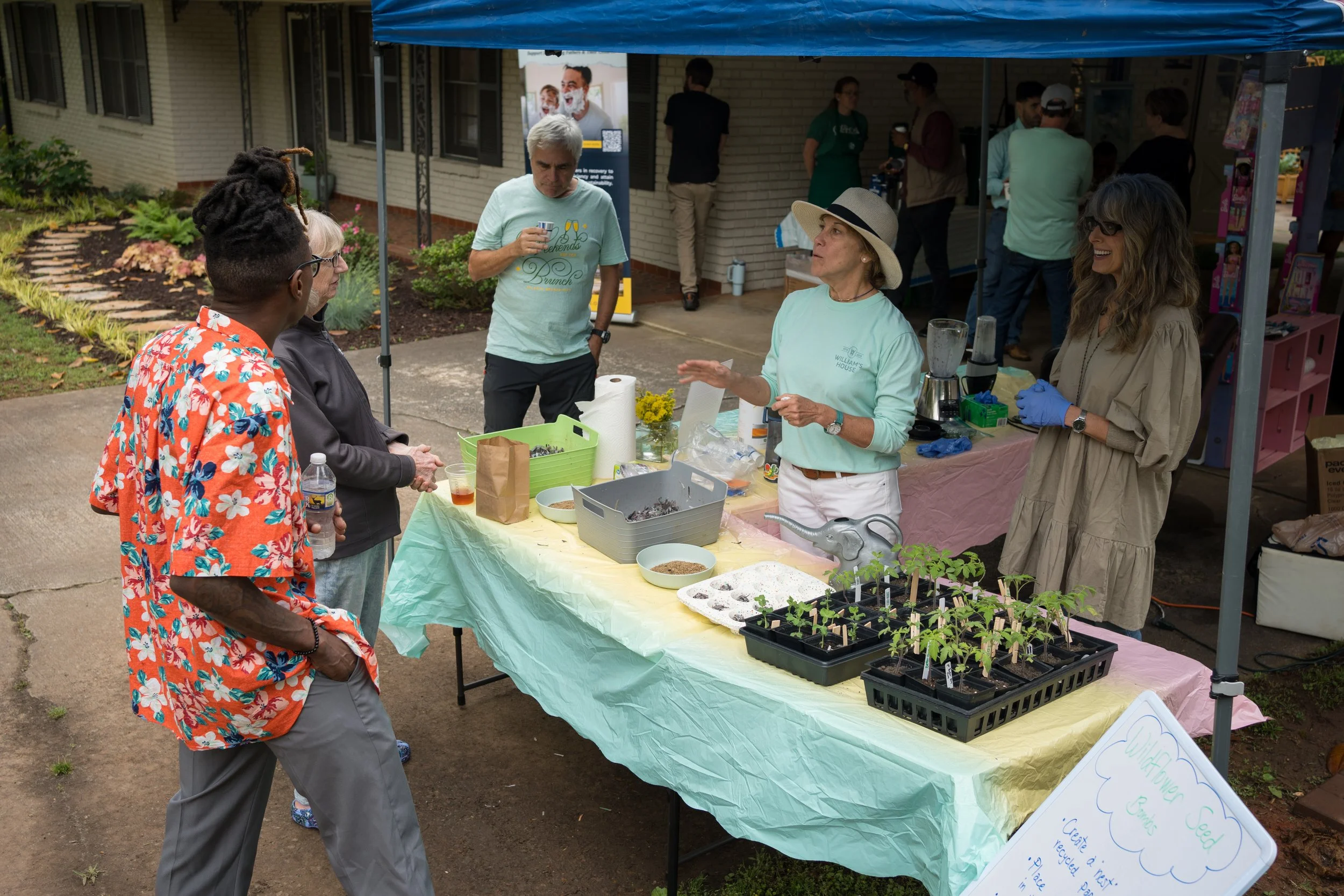

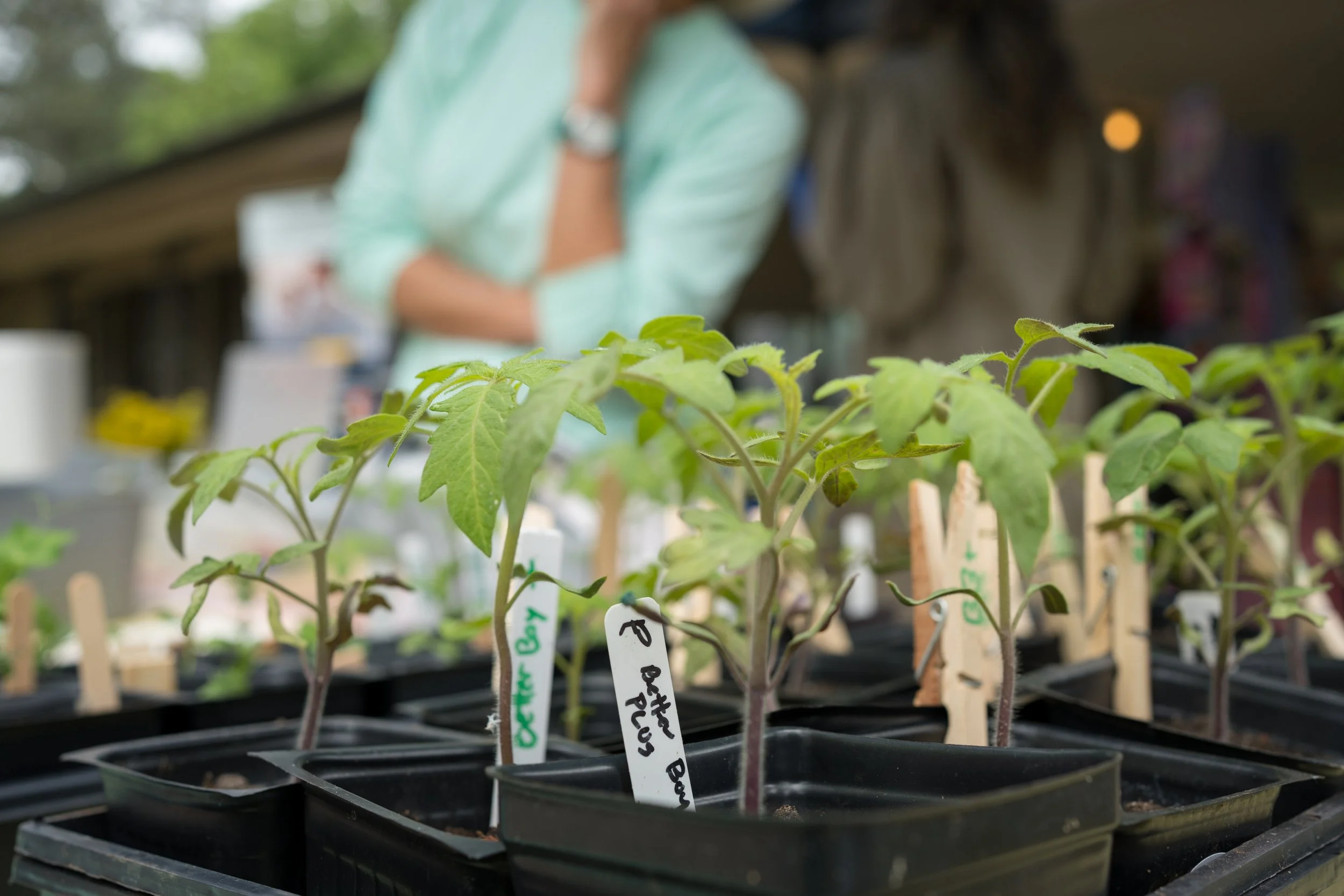
Pictured: William’s House clients and community partners at the William’s House Open House in May, touring the flagship home and experiencing a taste of the horticultural therapy that William’s House clients experience with their children.
How does HopeYards support fathers and children together?
HopeYards uses a two-generation model that supports the father, the child, and the relationship between them. William’s House recognizes that addiction, trauma, homelessness, and housing instability can affect the entire family rather than one individual.
Fathers in recovery may be rebuilding trust while managing guilt, stress, relapse concerns, employment responsibilities, and active parenting. Children may be coping with disrupted routines, separation, fear, anxiety, or uncertainty about whether stability will last.
HopeYards creates safe, structured opportunities for fathers and children to experience consistency and connection together. Weekly parent-child gardening, family outdoor activities, counseling, and shared routines allow families to practice communication, cooperation, and emotional regulation.
A father can demonstrate patience while teaching a child to plant a seed. A child can experience the father as present and dependable during a weekly activity. Both can complete a challenge, solve a problem, and celebrate progress together.
William’s House treats the father-child relationship as an important part of recovery because stronger families can support healthier, more sustainable outcomes.
What do HopeYards parenting and life-skills workshops teach?
HopeYards parenting and life-skills workshops teach trauma-informed parenting, healthy communication, emotional regulation, routine-building, and practical technology boundaries. William’s House uses evidence-based education to help fathers and families strengthen everyday functioning while supporting recovery.
Trauma-informed parenting encourages a father to consider what a child may be communicating through behavior. Instead of responding only to the behavior, a father can ask whether the child feels overwhelmed, unsafe, confused, disconnected, or unsure about what will happen next.

Pictured: William’s House community partners touring our flagship home at our Open House in May
HopeYards workshops help families practice skills such as:
Creating predictable household routines
Setting clear and appropriate boundaries
Responding to behavior without humiliation
Helping children identify and manage emotions
Repairing relationships after conflict
Communicating needs calmly and directly
Establishing healthier technology habits
Planning meaningful family activities
William’s House reinforces these lessons through outdoor programming. Fathers and children can practice teamwork, patience, communication, and problem-solving during real experiences rather than discussing those skills only in a classroom.
Why does HopeYards include digital well-being?
HopeYards includes digital well-being because excessive or unstructured screen use can contribute to isolation, anxiety, disrupted routines, and unhealthy coping patterns. William’s House helps families build a more intentional relationship with technology while creating meaningful alternatives to screen-based living.
Technology can support education, employment, telehealth, recovery meetings, and communication. HopeYards does not ask families to eliminate technology. Digital well-being means recognizing when technology is helping and when it is displacing sleep, physical activity, family interaction, emotional awareness, or healthy leisure.
HopeYards helps participants identify how attention-driven technology affects their mood and behavior. Families practice structured technology-free time, use practical self-management tools, and develop outdoor routines that support real-world connection.
Gardening, walking, fishing, sports, community service, and family wellness activities provide alternatives that are active, social, and restorative.
The clinical and peer-support components of HopeYards help participants examine their habits without shame, develop healthier boundaries, and create routines they can maintain outside the program.What evidence supports horticultural and nature-based therapy?
Research suggests that horticultural and nature-based interventions may support psychological well-being and stress reduction, although results vary by population, setting, and program design. HopeYards uses those activities as part of William’s House’s broader clinical and recovery-support framework.
A 2023 systematic review of horticultural therapy and stress found positive effects on psychological indicators compared with control conditions, while physiological results were less consistent.
A 2024 review of gardening and well-being reported that gardening interventions may support mental health, quality of life, and social connection.
The Substance Abuse and Mental Health Services Administration identifies health, home, purpose, and community as important dimensions of recovery. HopeYards addresses these areas through outdoor activity, counseling, peer connection, family participation, and purposeful routines.
What is structured leisure therapy and wellness planning?
Structured leisure therapy and wellness planning help families identify high-risk unstructured time and replace it with meaningful, recovery-oriented activities. HopeYards teaches these skills because evenings, weekends, and other open periods can be challenging for people rebuilding their lives in recovery.
Former routines, relationships, or environments may no longer be safe. Without healthy alternatives, free time can become isolating or increase stress and relapse risk.
HopeYards introduces families to activities such as gardening, hiking, fishing, canoeing, sports, swimming, outdoor service projects, and nature walks. Families can identify which options are enjoyable, affordable, accessible, and realistic for their daily lives.
A wellness plan may include:
One parent-child activity
One personal mental health activity
One recovery-support activity
One form of physical movement
One community or peer connection
Designated technology-free time
William’s House teaches structured leisure as more than staying busy. Meaningful leisure can help families experience purpose, joy, connection, confidence, and belonging while supporting long-term recovery.
Who leads HopeYards?
HopeYards is supported by a multidisciplinary leadership team with experience in family therapy, mental health, addiction recovery, horticultural therapy, recreation therapy, communication, curriculum development, nonprofit leadership, and lived recovery.
The HopeYards leadership team includes:
Dr. Lea Noring, Ph.D., LMFT: Licensed marriage and family therapist and AAMFT clinical fellow with more than 20 years of experience supporting complex families, trauma, and parenting challenges.
Dr. Brentia Caldwell-Smith, Ph.D., LPC, NCC, ACS, CPCS: Licensed professional counselor and clinical supervisor with more than 15 years of experience as a mental health practitioner, leader, and educator.
Jeanne Schultz, BS, MS, C.A.R.E.S.: Health educator with more than 25 years of experience and training in horticultural therapy, addiction recovery, and nature-based programming.
Lauren Foster, MS, CCC/SLP, CNHP: Certified speech-language pathologist, natural healthcare practitioner, curriculum developer, and nonprofit leader focused on family and youth well-being.
Laurie A. Sedicino, BS, MA, CTRS, CES: Recreation therapist with experience in adventure-based counseling and inpatient, partial hospitalization, and outpatient expressive therapy programs.
Chuck Milton, Executive Director: Founder and Executive Director of William’s House, bringing personal recovery experience and two decades of leadership in corporate and nonprofit organizations.
The multidisciplinary structure allows HopeYards to combine professional expertise with lived experience, compassion, accountability, and practical family support.
How can families join or support HopeYards?
Fathers in recovery can apply to be a part of William’s House HERE. Clinicians, case managers, and community organizations can refer eligible families by contacting info@williamshouse.org or calling 404-542-1587.
Volunteers can support garden days, outdoor activities, community events, transportation, and program logistics. Donations help fund clinical staff, equipment, activity fees, supplies, and transportation for HopeYards participants.
Visit HopeYards to learn more.
About William’s House
William’s House is a holistic, family-centered recovery home in Roswell, Georgia, empowering fathers in recovery with children to achieve lasting stability, financial independence, and personal growth through a six-pillar program rooted in dignity, accountability, and hope. Founded in 2020, William’s House, Inc. is a 501(c)(3) organization serving North Fulton County and metro Atlanta.